
Fire Damage Restoration
Learn how assessment, debris removal, drying, and repairs fit together after a residential fire. The work depends on structural conditions and which materials can be retained.
Serving Austin, Texas & surrounding areas
Calls answered around the clock
This site connects homeowners with local contractors.
Serving Austin, Texas.
One call connects you with a local contractor to discuss fire cleanup, damaged materials, and the repairs your home needs.
CALL NOW: +1 877 290 0427This site connects homeowners with local contractors. Independent contractors assess and perform the work.

Understanding fire damage
Fire damage in Austin, TX can involve burned materials, soot in rooms beyond the flames, and water left behind by firefighting. Restoration starts with understanding those different kinds of damage. A contractor can assess what needs removal, what may be cleaned, and which repairs depend on drying or further evaluation.
Stay outside until fire officials say you may return, and follow any restrictions on entry or utility use. Permission to enter does not mean damaged wiring, ceilings, or floors are ready for normal use. Avoid disturbing soot or burned materials while you arrange professional help.
Initial work may include securing damaged openings, extracting water, removing unsalvageable materials, and clearing fire debris. Soot cleaning and odor treatment address different problems: removing visible residue alone may leave smoke contamination in porous materials or concealed spaces. The scope depends on the materials burned and how heat, smoke, and water traveled through the house.
One call connects you with a local contractor for that conversation. You can discuss the condition of the property, ask which work they handle, and decide what happens next.
Learn how assessment, debris removal, drying, and repairs fit together after a residential fire. The work depends on structural conditions and which materials can be retained.
Smoke cleanup addresses soot on surfaces, residue on belongings, and lingering odors. Cleaning methods depend on the residue and the material underneath it.
Understand how the extent of damage, demolition, contents handling, and rebuilding affect the scope of a restoration project.
A practical checklist covers safe reentry, documenting damage, contacting your insurer, and protecting belongings while you plan recovery.
Searching through separate company listings adds another task after a fire. One call connects you with a local contractor so you can start discussing cleanup and the condition of your home.
You speak directly with a contractor about damaged rooms, smoke residue, and any water left behind. That conversation lets you ask which parts of the restoration they handle before making decisions about the work.
The call connects you with a contractor who serves your area. Whether the property is a detached house or an attached residence, you can discuss access and the affected spaces directly.
A conversation gives you a chance to ask about the proposed scope, property access, and work arrangements. You decide whether to proceed with the contractor after discussing what your home needs.
Fire Restoration Austin connects homeowners in the Austin area with local contractors for fire damage restoration.
This website is a referral service. Independent contractors assess properties, propose the work, and carry out projects under their own agreements with homeowners. The purpose here is straightforward: make it easier to reach someone who handles fire damage and discuss the next step directly.
When choosing a fire damage company in Austin, ask whether the proposed work covers debris removal, soot cleaning, moisture assessment, and rebuilding, or only certain phases. Those distinctions matter when several kinds of damage affect the same room. A clear discussion helps you understand who will handle each part before you authorize work.
Use the call button to begin. Calling is the next step when you want to speak with a contractor about fire damage at your property.
Enter your ZIP code and you are connected directly with a local contractor who serves that area.
Talk with the contractor about your property and their approach to the work. You and the contractor decide what happens next.
Fire residue and firefighting water need different kinds of attention. One call puts you in direct conversation with a local contractor about both.
CALL NOW: +1 877 290 0427Connect with contractors serving Austin, including neighborhoods where older construction and attached homes call for careful assessment of concealed damage.
Older wood-frame houses make careful assessment of wall cavities, attic spaces, and retained woodwork relevant when smoke or heat reaches beyond the visibly burned room.
Older houses and remodeled interiors can contain several generations of finishes, so deciding what to clean or remove requires attention to each affected material.
Attached homes and closely spaced residences make the location of smoke migration and affected shared assemblies important questions during a property-specific fire damage assessment.
Its established ranch-style housing makes attic conditions and smoke movement above ceilings relevant when a contractor evaluates damage beyond the room where a fire started.
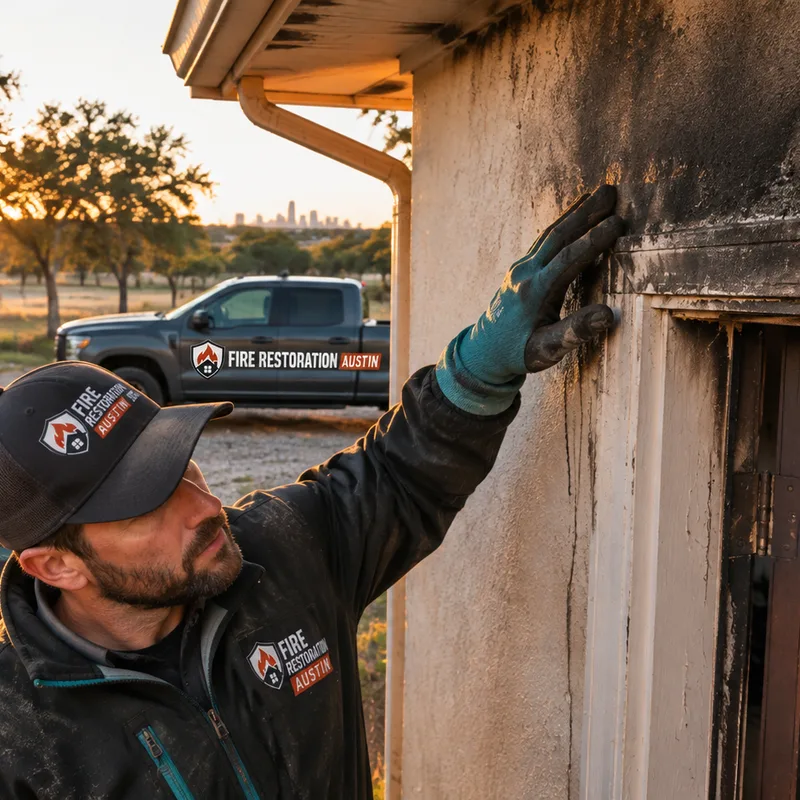
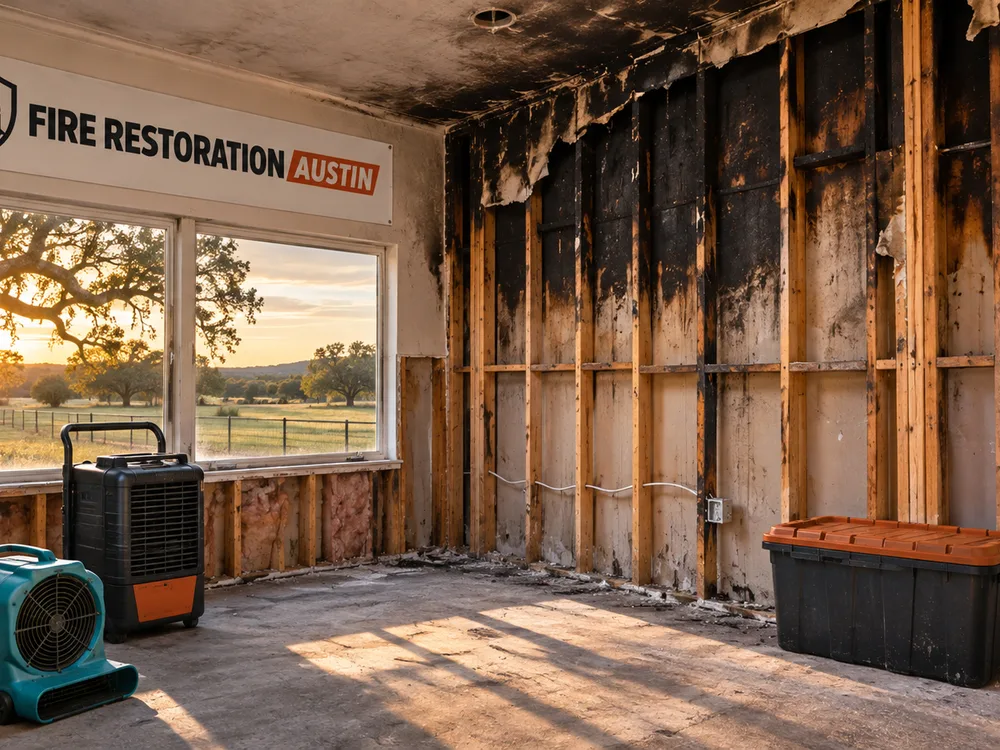
You can discuss the property with a contractor while your claim is still being reviewed. Your insurer determines coverage under your policy, while the contractor discusses the proposed work. Keep authorization for work separate from assumptions about insurance payment.
You can call while access restrictions remain in place. Explain those restrictions directly to the contractor so any discussion of a site visit respects the instructions from fire officials. Entry and work must wait for the appropriate clearance.
Contents handling depends on the contractor and the proposed scope. Ask whether they handle furniture, clothing, and other belongings, and how they separate items for cleaning, storage, or disposal. Confirm those arrangements before authorizing removal.
A contractor can discuss smoke-related damage even when visible burning is limited. Soot may affect adjacent rooms, cabinets, and ventilation components. Explain where you can see residue and ask how the contractor would assess the affected areas.
You do not have to settle every cleanup decision before making a call. Connect with a local fire damage contractor, discuss the condition of your home, and decide together on the next step.
CALL NOW: +1 877 290 0427